Client Onboarding: The Key Stages Every Small Business Needs
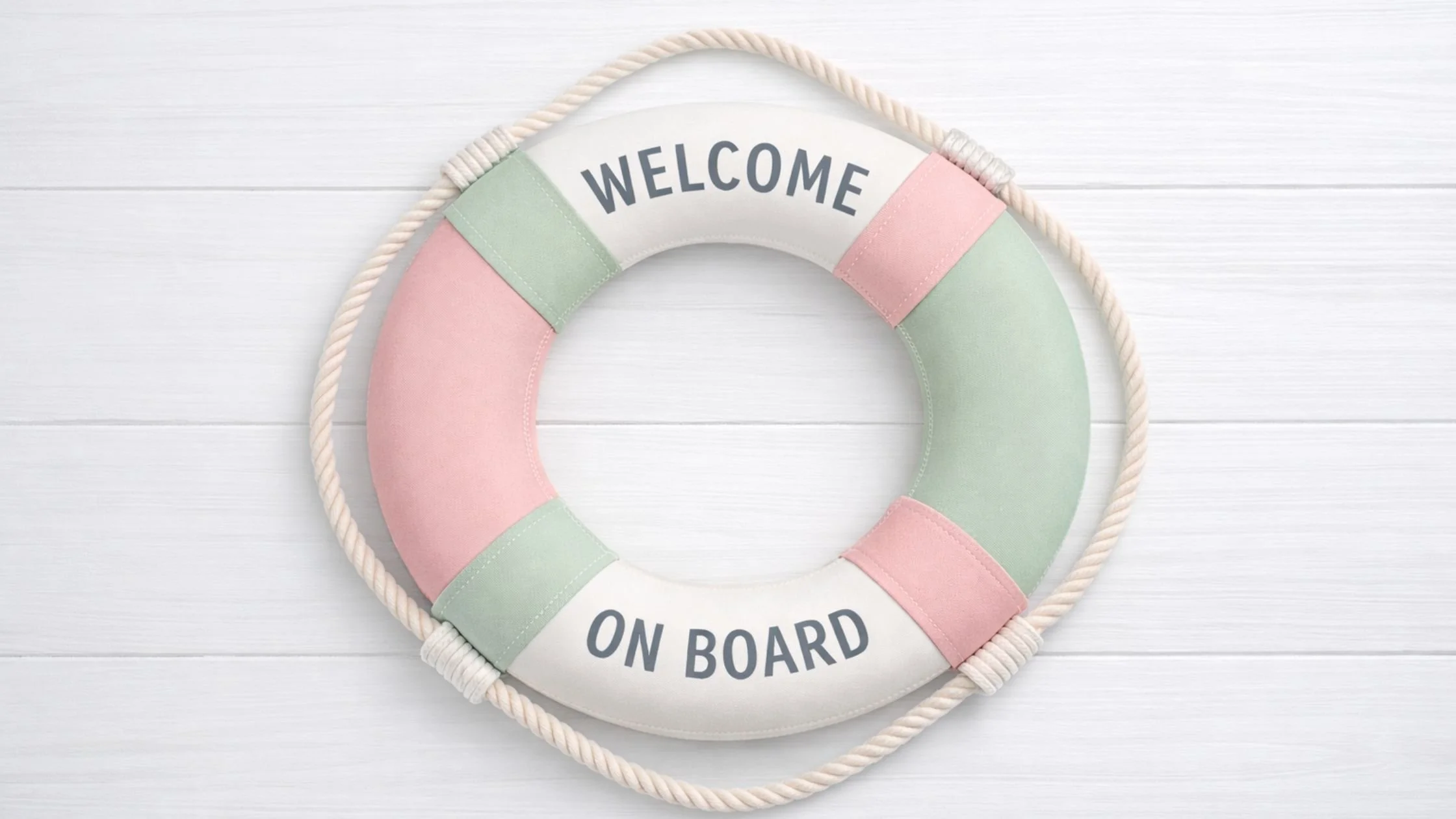
Client onboarding is often treated as an afterthought — something that just happens once a client says yes.
But a clear onboarding process is one of the biggest factors in how smoothly a project runs. It affects communication, timelines, boundaries, and ultimately how confident both you and your client feel.
Rather than thinking of onboarding as one big step, it’s far more useful to break it down into clear stages. Each stage has a different purpose, and when they’re handled well, the entire working relationship benefits.
1. Initial Contact
Purpose: clarity and reassurance
This is the first official interaction someone has with your business, and it sets expectations early.
At this stage, onboarding isn’t about collecting detail — it’s about:
Acknowledging the enquiry
Confirming you’ve understood what they’re looking for
Explaining what happens next
A strong initial contact stage answers three questions:
Am I in the right place?
When will I hear back?
What’s the next step?
Getting this right helps avoid ghosting, confusion, and misaligned expectations later on.
2. Follow-Up and Qualification
Purpose: alignment
The follow-up stage is where interest turns into a real opportunity — or doesn’t.
This is where you:
Clarify the scope of work
Confirm the right service or approach
Explain how the process works at a high level
It’s also an opportunity to filter out poor-fit enquiries before they reach the booking stage.
A good follow-up isn’t long or complicated. It simply helps both sides decide:
“Is this the right way forward?”
3. Booking and Commitment
Purpose: reducing friction
Once a client is ready to proceed, the booking process should feel straightforward and professional.
This stage typically includes:
Clear pricing
Clear availability or timelines
A defined action to confirm the booking (e.g. signing, paying, scheduling)
If booking feels unclear or drawn-out, it introduces unnecessary hesitation — even when a client wants to move forward.
The goal here is ease, not pressure.
4. Welcome and Orientation
Purpose: confidence
The welcome stage is often underestimated, but it plays a huge role in how clients feel once they’ve committed.
A good welcome:
Confirms what’s been booked
Explains what will happen next
Sets expectations around communication and timing
This stage is about orientation, not instruction.
Clients should come away thinking:
“I know where I am, what’s happening, and what I need to do.”
5. Prep Work and Information Gathering
Purpose: preparedness
Prep work is where onboarding becomes operational.
This stage should be intentional and focused:
Ask only for what’s genuinely needed
Be clear about deadlines
Explain why certain information matters
Overloading clients at this point often leads to delays, incomplete information, or frustration.
Well-designed prep work helps:
Projects start on time
Work stays focused
Expectations stay realistic
This is especially important for short, intensive projects where there’s little room for error.
6. Bringing It All Together
Purpose: consistency
Effective onboarding isn’t about using more tools — it’s about having a repeatable structure.
Across every stage, consistency matters:
One clear next step
One primary place for information
One process that works the same way each time
If onboarding feels stressful or chaotic, it’s usually a sign that stages have blurred together or grown organically without intention.
Simplifying the structure often makes the biggest difference.
Client onboarding doesn’t need to be complex to be effective. When each stage has a clear purpose, the entire experience becomes calmer — for you and your clients.
Strong onboarding supports better communication, better boundaries, and better work.
Ready to simplify?
No long timelines. No complicated processes. Just calm, focused progress.